
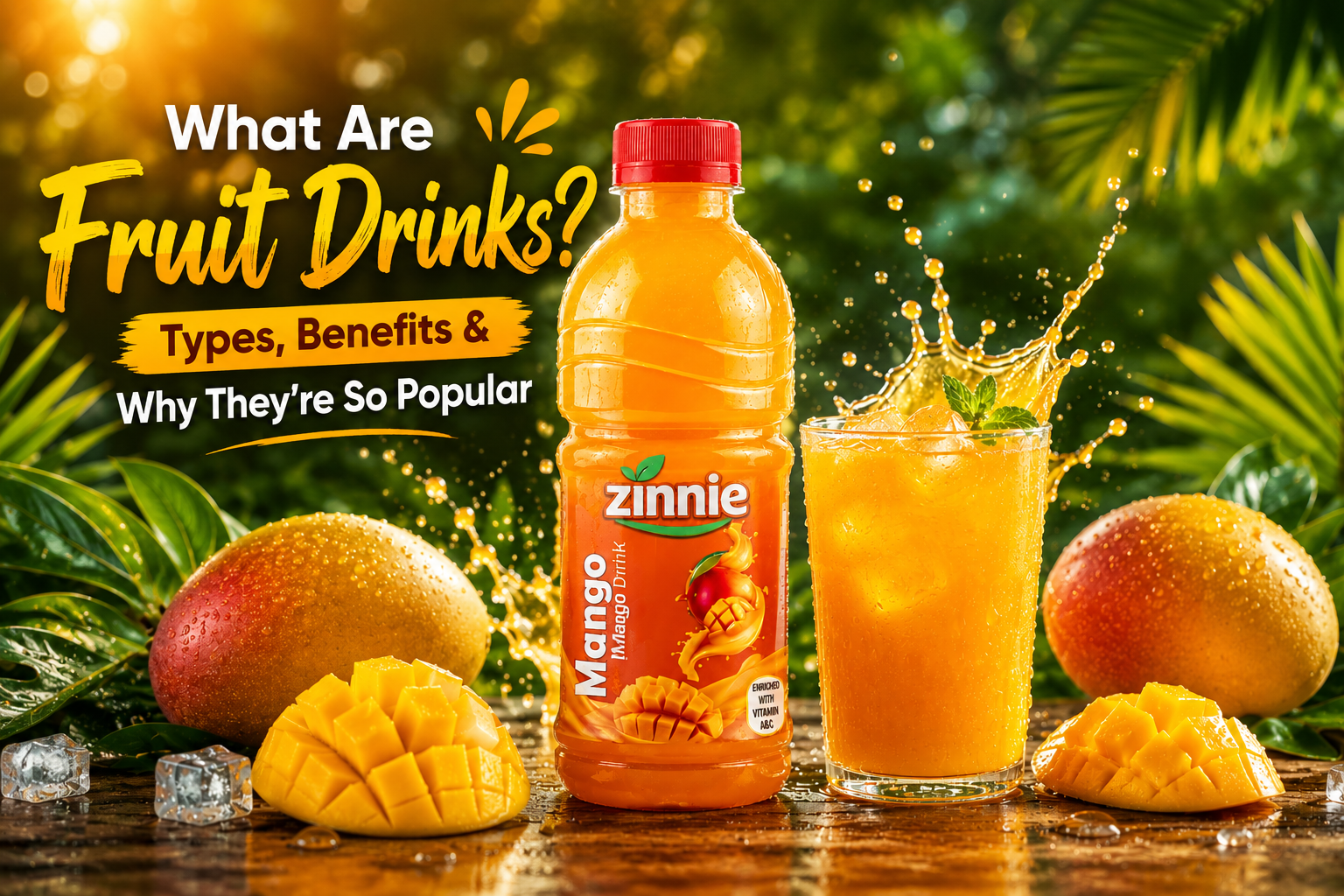
In today's fast-paced world, where every moment is rushed and convenience matters more than ever, people are turning toward beverages that are not just refreshing but also instantly satisfying. This is exactly where fruit drinks fruit drinks have carved their place as a global favorite.
From a chilled mango drink enjoyed on a scorching summer afternoon to vibrant flavored drinks served at parties and gatherings, fruit-based beverages have become a dominant force in the modern cold drinks industry.
But what makes them so popular across all age groups and lifestyles? Why do they continue to replace traditional refreshment options in everyday life?
Let's dive in and explore what fruit drinks really are, and why they've become such an essential part of our daily routine.
What are fruit drinks?
Fruit drinks are ready-to-consume beverages made from fruit juice, pulp, water, sweeteners, and flavors, designed for taste, convenience, and long shelf life.
Fruit drinks are beverages crafted from a blend of fruit juice, fruit pulp, concentrates, natural or artificial flavors, water, and sweeteners. They are designed to capture the essence of fruit in a convenient, ready-to-drink form.
Most modern packaged fruit drinks are designed for convenience, offering ready-to-consume options that are easy to carry, store, and enjoy anytime.
The rise of packaged fruit drinks has made fruity beverages accessible across urban and rural markets.
Unlike fresh juice, fruit drinks are specially formulated for everyday convenience and large-scale availability. They offer:
Fruit drinks are fruit-inspired beverages that focus on delivering great taste, instant refreshment, and convenience—rather than being a direct source of pure fruit nutrition.
Fruit drinks are not a single category—they come in several variations, each offering a different taste experience, ingredient profile, and consumer appeal.
These are the closest form to natural fruit consumption.
These are the most widely available packaged beverages in the market.
The mango drink is often considered the king of fruit beverages in India.
These drinks focus more on taste variety and innovation.
A fusion of fruit flavor and fizz.
Most commercial fruit drinks are produced through a carefully controlled manufacturing process to ensure consistent taste, safety, and long shelf life. While methods may vary slightly by brand, the general process follows these key steps:
This standardized process helps packaged fruit drinks maintain a stable flavor profile, attractive taste, and year-round availability across markets.
The popularity of fruit drinks is no coincidence—it is shaped by changing lifestyles, consumer psychology, and strong market demand across the globe.
Fruit drinks are chilled, sweet, and instantly refreshing, making them perfect for hot and humid climates like India, where quick hydration and cooling are essential.
Modern consumers often prioritize enjoyable taste and overall drinking experience over strict nutritional value, making flavored beverages more appealing than plain alternatives.
From classic mango drink to exotic tropical and mixed fruit blends, fruit drinks offer a wide range of flavors that suit different moods, occasions, and preferences.
Fruit drinks deliver a premium, fruity experience at an affordable price, allowing consumers to enjoy a "luxury-like" taste without high cost.
These beverages are widely accessible across multiple channels, including:
Eye-catching packaging, vibrant colors, and emotionally driven advertising play a major role in increasing demand and building strong consumer recall for fruit drinks.
Flavored drinks are a major subcategory of fruit beverages.
They are popular because:
Common flavored drinks include:
When comparing fruit beverages vs juice, it's important to understand the key differences in ingredients, nutrition, and overall purpose.
| Feature | Fruit Drinks | Natural Juice |
|---|---|---|
| Ingredients | Juice + sugar + flavors | Pure fruit |
| Taste | Consistent & sweet | Natural & seasonal |
| Price | Affordable | Expensive |
| Shelf Life | Long | Short |
| Availability | Year-round | Seasonal |
Fruit drinks win in convenience, while natural juice wins in purity.
| Feature | Fruit Drinks | Soft Drinks |
|---|---|---|
| Ingredients | Fruit pulp, water, sugar, flavors | Carbonated water, sugar, chemicals |
| Nutrition | Contains some vitamins | Almost no nutritional value |
| Taste | Fruity, refreshing | Sweet, fizzy |
| Health Impact | Better alternative when consumed moderately | Linked to high sugar intake |
| Popular Types | Mango drink, flavored drinks | Cola, soda, energy drinks |
The global cold drinks industry is massive, and fruit drinks play a major role in it.
Why they dominate the market:
Fruit drinks are now competing directly with:
The success of fruit drinks is also linked to consumer psychology:
This emotional connection plays a huge role in repeat purchases.
While not all beverages are the same, healthy fruit drinks made with real fruit pulp can be a refreshing and enjoyable part of your lifestyle when consumed in moderation.
Some healthy fruit drinks can offer better taste and a more satisfying experience compared to heavily artificial beverages.
Benefits of Fruit Drinks
Side Effects of Fruit Drinks
Many fruit drinks contain added sugar, which may:
Tip: Choose drinks with controlled sugar levels.
Excessive intake can:
Tip: Treat fruit drinks as an occasional refreshment.
Fruit drinks lack:
Tip: Include fresh fruits in your daily diet.
Enjoy fruit drinks in moderation. They are best consumed as a tasty treat, not a daily replacement for water or whole fruits.
Fruit drinks are refreshing and enjoyable at any time of the day, but choosing the right moment can enhance both their taste and benefits. Whether it's a chilled mango drink in summer or flavored drinks during gatherings, timing can make a difference.
The most popular time to enjoy fruit drinks is during hot afternoons, especially in countries like India.
Tip: A chilled mango drink is ideal during peak summer hours.
Fruit drinks work well as a light refreshment between meals.
Tip: Avoid replacing full meals—use fruit drinks as a snack companion.
Flavored drinks and cold drinks are commonly served at events and celebrations.
Tip: Mixed fruit and mango drinks are crowd favorites.
After outdoor activities or travel, fruit drinks can provide quick refreshment.
Tip: Serve them chilled for maximum satisfaction.
When to Avoid
With so many options available in the market, choosing the right fruit drinks can feel confusing. Whether you're picking a refreshing mango drink or exploring different flavored drinks, making an informed choice ensures better taste and quality.
Here are the key factors to consider:
Always check how much real fruit content the drink contains. Higher fruit pulp or juice percentage usually means a more authentic taste and better overall quality.
Many cold drinks and fruit beverages contain added sugar to enhance flavor. While sweetness improves taste, excessive sugar intake should be avoided.
Opt for trusted brands that follow proper manufacturing standards. A reliable brand ensures:
A good fruit drink clearly lists its ingredients. Avoid products with too many artificial additives or unclear labeling.
Taste ultimately matters the most. Whether you love a rich mango drink or enjoy trying different flavored drinks, choose what suits your palate.
India is one of the fastest-growing markets for fruit-based beverages due to:
Brands like those offering mango drinks and flavored beverages are expanding rapidly across cities and rural areas.
When it comes to choosing the best fruit drinks in India, consumers look for a perfect combination of taste, quality, affordability, and refreshment. With a wide range of options available, fruit drinks have become a go-to choice for people of all age groups—especially in a country with a hot climate like India.
Mango drink is undoubtedly the most loved fruit beverage in India. Its rich, sweet, and tropical flavor makes it a favorite across all regions.
Mixed fruit drinks combine multiple fruit flavors to create a balanced and refreshing taste. These are perfect for those who enjoy variety in every sip.
Citrus fruit drinks are known for their tangy and refreshing taste. They are especially popular during hot weather due to their cooling effect.
These drinks offer a milder, smoother flavor and are often preferred by people who enjoy less tangy beverages.
Flavored drinks, including tropical and fusion blends, are gaining popularity among younger consumers looking for exciting and modern taste experiences.
Modern fruit drink companies are focusing on:
This shift is improving brand image and customer trust.
Fruit drinks are often surrounded by confusion and misinformation. Let's break down the most common myths in a simple, clear way:
Myth 1: Fruit drinks and fruit juice are the same thing: This is false. Fruit drinks are not pure juice. They usually contain added water, sugar, and flavoring to enhance taste and improve shelf life.
Myth 2: All fruit drinks are unhealthy: Not necessarily. Fruit drinks are not "bad" by default. The key factor is moderation and understanding the ingredients. When consumed occasionally, they can be enjoyed as a refreshing beverage.
Myth 3: Mango drinks are always artificial: Not true. Many mango drinks are made using real mango pulp or natural mango extracts, not just artificial flavors, giving them a more authentic fruity taste.
The future of fruit drinks looks strong because:
Fruit drinks have firmly established themselves as a key part of today's global beverage culture. From the rich, tropical taste of a mango drink to the wide variety offered by flavored drinks, they deliver the perfect blend of convenience, taste, and refreshment.
While they are best enjoyed as an occasional treat rather than a substitute for whole fruits or water, their popularity continues to grow across all age groups and lifestyles.
At the heart of their success lies a simple reality: people are drawn to beverages that are flavorful, refreshing, and effortlessly enjoyable—anytime, anywhere.
Looking to experience that perfect fruity refreshment? Try a delicious mango drink from Zinnie and enjoy the taste of summer in every sip.
Fruit drinks are made from fruit juice, pulp, water, sugar, and natural or artificial flavors to enhance taste and shelf life.
No, natural juice is extracted directly from fruits, while fruit drinks may contain added sugar, water, and flavoring.
Fruit drinks are popular because they are affordable, tasty, widely available, and offer instant refreshment, especially in hot weather.
A mango drink is a fruit-based beverage made using mango pulp or flavor, known for its sweet, tropical taste and high popularity in India.
Fruit drinks can be enjoyed in moderation, but many contain added sugar, so they should not replace natural fruits or water.
Flavored drinks are beverages made using fruit-inspired or artificial flavors to provide a variety of taste options like mango, orange, or mixed fruit.
No, fruit drinks do not provide the same fiber and nutrients as fresh fruits, so they should not be considered a replacement.
Mango drink is loved for its rich taste, natural sweetness, and strong cultural preference in India, where mango is called the "King of Fruits."
Fruit drinks are fruit-based beverages, while cold drinks usually refer to carbonated soft drinks with artificial flavors and high sugar content.
Yes, children can have fruit drinks occasionally, but intake should be limited due to added sugar content.